Technology has become one of the most powerful forces shaping modern education. In the past, education depended mainly on textbooks, blackboards, classroom lectures, and face-to-face communication between teachers and students. Today, the situation has changed greatly. Digital tools, online platforms, smart devices, artificial intelligence, and internet-based resources have transformed the way students learn and teachers teach. Technology is no longer just an extra support system; it has become an essential part of education in schools, colleges, universities, and professional training programs.
One of the most important roles of technology in modern education is improving access to learning. In earlier times, students had to depend only on physical classrooms and printed books. If a student lived far away from a good educational institution, access to quality education was limited. Now, online learning platforms, educational websites, e-books, and video lectures allow students to learn from anywhere. A student in a rural area can watch lectures from top teachers, attend online classes, and access global learning materials through the internet. This has made education more inclusive and flexible.
Technology also supports personalized learning. Every student does not learn at the same speed. Some students understand a topic quickly, while others need more time and practice. Traditional classrooms often follow one common pace for everyone. However, digital learning tools can provide customized lessons, quizzes, and feedback based on each student’s progress. For example, learning apps can identify weak areas and suggest extra exercises. This helps students improve step by step and makes learning more effective.
Another major contribution of technology is interactive learning. Modern students are surrounded by digital media, so traditional lectures may sometimes feel boring to them. Technology makes education more engaging through videos, animations, simulations, games, and virtual labs. For example, science students can observe chemical reactions through virtual experiments, geography students can explore maps digitally, and medical students can use 3D models to understand the human body. These tools make difficult topics easier to understand and remember.
Technology has also changed the role of teachers. In modern education, teachers are not only sources of information. They are guides, mentors, and facilitators of learning. Since students can find information online, teachers help them understand, analyze, and apply knowledge correctly. Teachers can use digital presentations, online assignments, learning management systems, and educational software to make lessons more organized. They can also track student performance more easily and provide timely feedback.
Online education is another important part of modern learning. During the COVID-19 pandemic, online classes became necessary all over the world. Although the pandemic created many challenges, it also showed the importance of digital education systems. Platforms such as Zoom, Google Meet, Microsoft Teams, and learning management systems helped students continue their studies from home. Even after the pandemic, online and blended learning have remained popular because they offer flexibility and convenience.
Technology also helps students develop important skills for the future. Modern workplaces require digital literacy, communication skills, problem-solving ability, creativity, and teamwork. By using technology in education, students become familiar with tools they may need in their careers. They learn how to research online, create presentations, analyze data, communicate through digital platforms, and work on group projects remotely. These skills prepare them for the modern job market.
Another benefit of technology is easy access to information. The internet provides a huge amount of knowledge on almost every subject. Students can read articles, watch tutorials, download research papers, and explore online libraries. This encourages self-learning. A motivated student no longer has to wait for a teacher to explain everything. They can search for answers, compare different sources, and build deeper understanding. However, students must also learn how to identify reliable information because not everything online is accurate.
Technology also supports collaboration among students. Digital tools allow students to work together even when they are not in the same place. They can use Google Docs, online discussion boards, shared presentations, and group chats to complete assignments. This improves teamwork and communication. Collaborative learning also helps students share ideas, solve problems together, and learn from each other.
Assessment and evaluation have also improved through technology. Teachers can use online quizzes, automatic grading systems, digital portfolios, and performance analytics. These tools save time and provide quick results. Students can receive instant feedback and understand their mistakes immediately. Technology also allows teachers to monitor attendance, assignment submission, and participation more efficiently. This makes the education system more organized and transparent.
Artificial intelligence is now playing a growing role in education. AI-powered tools can help students with writing, language learning, mathematics, coding, and research. Chatbots can answer common questions, while intelligent tutoring systems can provide personalized guidance. AI can also help teachers by analyzing student performance and identifying learning gaps. However, AI should be used responsibly. Students should not depend on it completely or use it for cheating. Instead, it should be used as a learning assistant.
Technology also supports inclusive education for students with disabilities. Assistive technologies such as screen readers, speech-to-text tools, audio books, digital magnifiers, and special learning software help students with visual, hearing, physical, or learning difficulties. These tools create equal opportunities and make classrooms more accessible. In this way, technology plays an important role in reducing barriers to education.
Modern education also benefits from multimedia learning. Some students learn better by reading, while others learn better through listening, watching, or practicing. Technology combines text, audio, video, images, and interactive activities. This supports different learning styles. For example, a history lesson can include documentary clips, timelines, maps, and digital archives. This creates a richer learning experience than a textbook alone.
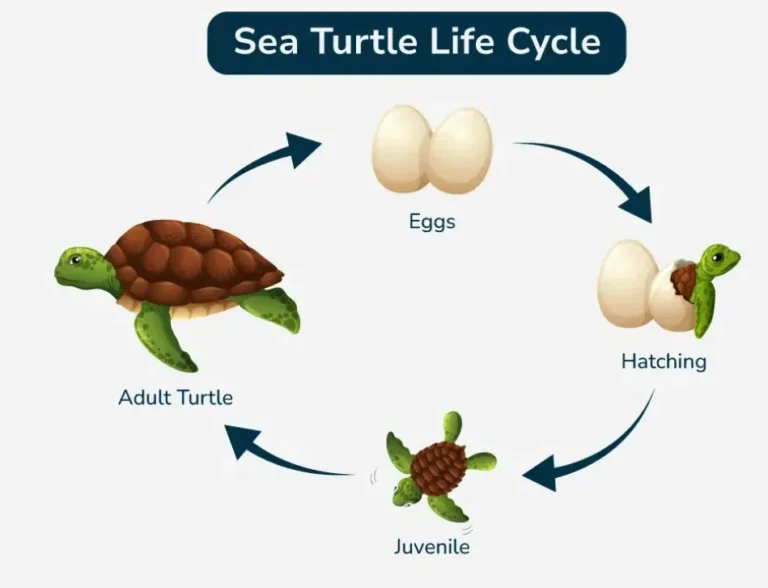
Technology is also important in higher education and research. University students and researchers use digital databases, online journals, citation tools, statistical software, and laboratory technologies. These tools make academic work faster and more accurate. Researchers can collaborate with experts from other countries, attend virtual conferences, and share findings globally. The Life Cycle of research and learning has become more connected because of technology, from collecting information to analyzing data and publishing results.
However, technology in education also has challenges. One major problem is the digital divide. Not all students have equal access to the internet, computers, or smartphones. Poor internet connection and high device costs can create inequality. Students from low-income families may struggle to attend online classes or complete digital assignments. Therefore, governments, institutions, and communities must work together to ensure affordable internet and device access for all students.
Another challenge is distraction. Technology can help students learn, but it can also distract them. Social media, games, videos, and entertainment apps may reduce concentration. Students need discipline and guidance to use technology properly. Teachers and parents should help students develop healthy digital habits. Educational institutions should also design clear rules for technology use in learning environments.
Cybersecurity and privacy are also serious concerns. Students and teachers use many online platforms, which may collect personal data. Educational institutions must protect student information and use secure digital systems. Students should also learn about online safety, strong passwords, cyberbullying, and responsible internet behavior. Digital education should not only teach academic subjects but also teach safe and ethical technology use.
Technology can never fully replace teachers. Human connection, emotional support, moral guidance, and classroom discussion are still very important. A good teacher understands students’ feelings, motivates them, and builds confidence. Technology should support teachers, not replace them. The best education system combines human teaching with digital tools. This balanced approach creates meaningful and effective learning.
In conclusion, technology plays a vital role in modern education. It improves access, supports personalized learning, makes lessons interactive, develops future skills, and strengthens collaboration. It also helps teachers manage classrooms, assess students, and provide better feedback. At the same time, challenges such as digital inequality, distraction, privacy, and overdependence must be addressed carefully. The Life Cycle of education is changing rapidly, and technology is at the center of this transformation. When used wisely, technology can make education more flexible, inclusive, creative, and effective for learners around the world.
About the Author