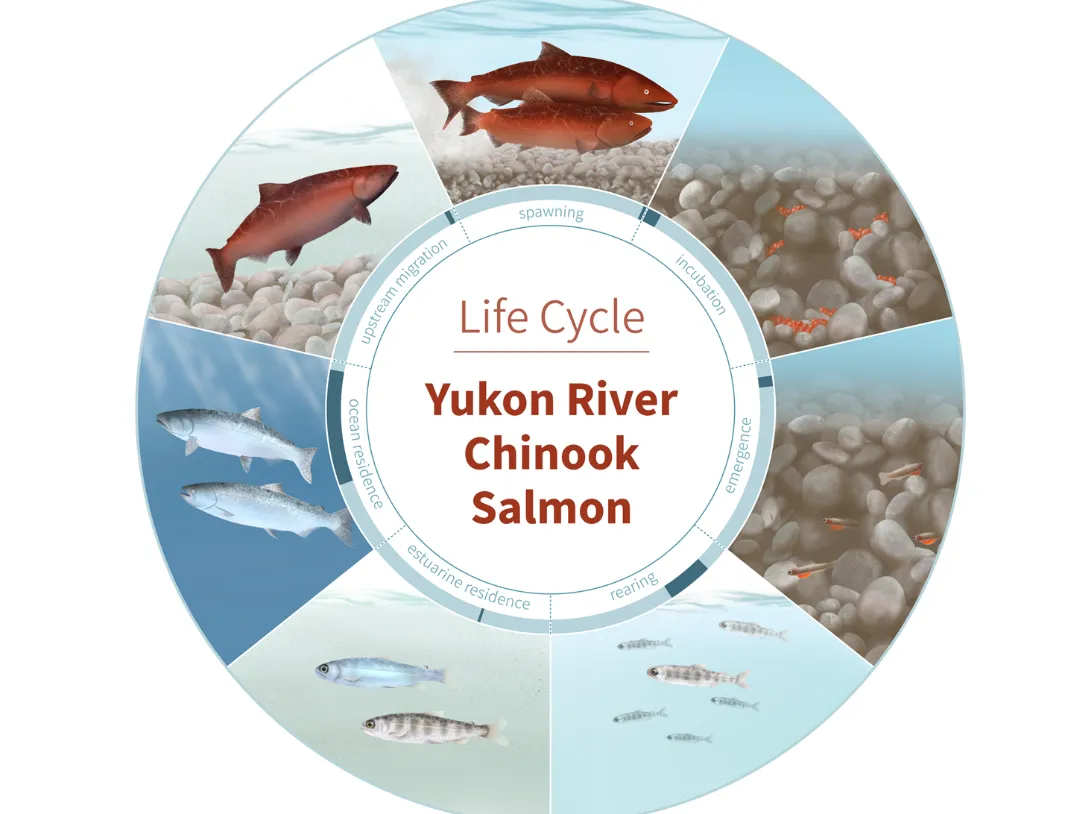
Salmon are among the most fascinating fish in the world because their lives are built around movement, survival, and the return home. Most salmon begin life in freshwater rivers or streams, travel toward the ocean as they grow, and later return to freshwater to reproduce. This journey is called anadromous migration, meaning the fish hatch in freshwater but spend a significant part of their adult lives in saltwater.
The life cycle of salmon is important because it connects rivers, forests, oceans, bears, birds, people, and many other parts of nature. Salmon carry nutrients from the ocean back into freshwater ecosystems when they return to spawn. In many river systems, their bodies support insects, plants, animals, and soil health after the spawning season.
There are different types of salmon, including Atlantic salmon and several Pacific salmon species, such as Chinook, Coho, Sockeye, Pink, and Chum. Their exact timing, size, migration distance, and lifespan vary by species. Still, the core pattern remains similar: egg, young fish, ocean-growing adult, and spawning adult.
Q: What is the life cycle of salmon?
A: The salmon life cycle is the journey from egg to young salmon, then to ocean adult, and finally back to freshwater for spawning.
Q: Where do salmon lay their eggs?
A: Female salmon lay eggs in clean, oxygen-rich gravel nests called redds in rivers or streams.
Q: Do all salmon die after spawning?
A: Most Pacific salmon die after spawning, but Atlantic salmon can sometimes survive and spawn again.
Quick Life Cycle Table
| Life Stage | Where It Happens | What Happens | Main Risk |
| Egg | Freshwater gravel | Eggs develop inside a red | Cold shock, silt, predators |
| Alevin | Under gravel | Baby salmon live from the yolk sac | Poor oxygen, gravel disturbance |
| Fry / Parr | Stream or river | Young salmon begin feeding and growing | Birds, larger fish, low water |
| Smolt | River mouth/estuary | The body adapts from freshwater to saltwater | Stress, predators, pollution |
| Adult Salmon | Ocean or large water body | Salmon grow rapidly and build energy | Fishing pressure, predators, ocean change |
| Spawning Adult | Native freshwater stream | Salmon return, reproduce, and complete the cycle | Barriers, warm water, habitat loss |
The History of Their Scientific Naming, Evolution, and Origin
Scientific Naming of Salmon
The word salmon commonly refers to fish in the family Salmonidae. The best-known scientific groups are Salmo and Oncorhynchus. Atlantic salmon belong to the genus Salmo and are known scientifically as Salmo salar. Many Pacific salmon belong to the genus Oncorhynchus, including Oncorhynchus nerka for Sockeye salmon and Oncorhynchus tshawytscha for Chinook salmon.
Evolutionary Background
Salmon evolved as cold-water fish with strong swimming ability, sharp navigation instincts, and flexible life strategies. Their ancestors adapted to rivers, lakes, estuaries, and oceans over millions of years. The separation between Atlantic and Pacific salmon lineages happened deep in evolutionary history, long before modern human civilization.
Origin and Natural Range
Salmon are native mainly to the North Atlantic and North Pacific regions. Atlantic salmon naturally live in rivers that drain into the North Atlantic Ocean, while Pacific salmon are native to the North Pacific Rim, including parts of North America and Asia. Their origin explains why salmon are strongly tied to cold, clean, flowing water.
Their Reproductive Process, Giving Birth And Rising Their Children
Salmon Do Not Give Live Birth
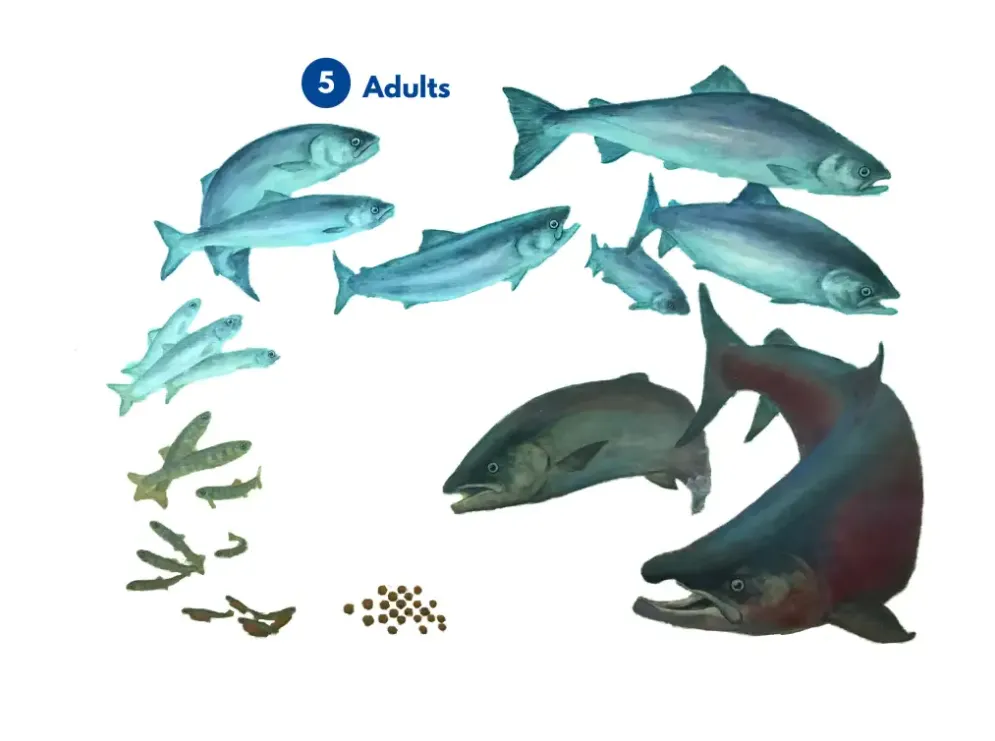
Salmon do not give birth the way mammals do. Instead, they reproduce by laying eggs. A female salmon chooses a suitable gravel bed in freshwater, then uses her tail to dig a nest called a redd. This gravel nest protects the eggs from strong currents and helps oxygen-rich water flow around them.
How Spawning Happens
During spawning, the female releases eggs into the redd, and the male releases milt, which contains sperm. Fertilization occurs outside the body, in water. After fertilization, the female covers the eggs with gravel. This covering helps hide the eggs from predators and prevents them from being washed away.
Raising Their Young Naturally
Salmon parents do not guard or feed their young after spawning. The eggs must survive on their own inside the gravel. When the eggs hatch, the young salmon are called alevins. They stay hidden and feed from the yolk sac attached to their bodies.
Once the yolk is used up, they become fry and leave the gravel to search for food. From this point, their survival depends on clean water, shade, insects, good stream flow, and safe hiding places.
Stages of the Salmon Life Cycle
Stage 1: Egg and Alevin Stage
The first stage begins when a female salmon lays eggs in a redd in freshwater. These eggs stay buried in gravel for weeks or months, depending on water temperature and species. Cold, clean water is essential because the eggs need oxygen to develop.
After hatching, baby salmon become alevins. They are still weak and carry a yolk sac under their body. This yolk sac provides food while they remain hidden in the gravel. At this stage, they cannot swim strongly or hunt well, so protection from sediment and predators is critical.
Stage 2: Fry and Parr Stage
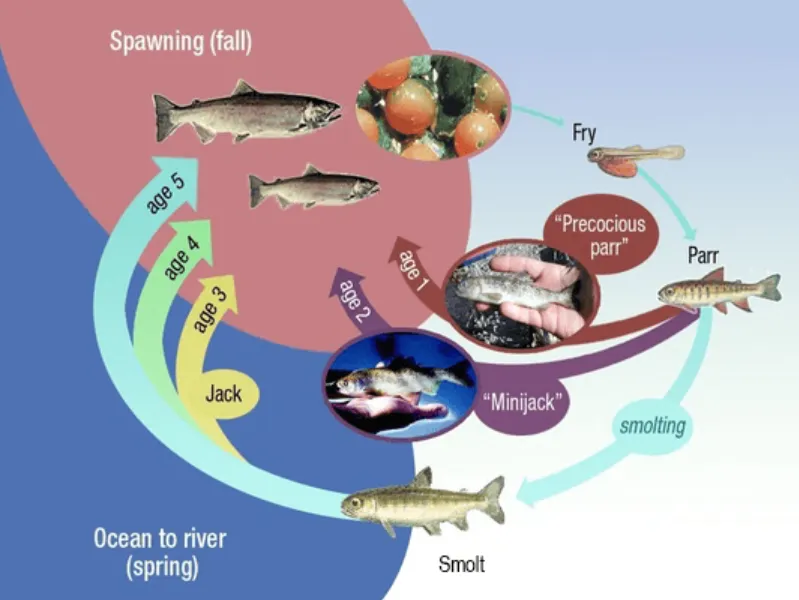
When the yolk sac is absorbed, the young salmon become fry. They swim out of the gravel and begin eating tiny aquatic insects, plankton, and other small organisms. As they grow, many develop vertical markings along the body. These young salmon are often called parr.
The parr stage is important because salmon learn to survive in freshwater. They hide under stones, roots, shaded banks, and woody debris. Some species spend only a short time in freshwater, while others remain for one to three years before moving toward the sea.
Stage 3: Smolt and Ocean Adult Stage
As salmon prepare to enter saltwater, they become smolts. Their bodies change to help them handle ocean salinity. This transformation is one of the most important parts of the salmon’s life cycle.
After reaching the ocean, salmon feed heavily and grow fast. Their diet becomes richer, including small fish, squid, shrimp, and crustaceans. The ocean stage allows salmon to build the strength and fat reserves needed for their long return journey.
Stage 4: Returning Spawner Stage
Adult salmon eventually return to freshwater to spawn. Many use smell and environmental signals to find the river or stream where they were born. This return is one of nature’s most remarkable migrations.
Once they reach the spawning area, salmon focus their energy on reproduction. Most Pacific salmon die after spawning, completing the cycle by returning nutrients to the ecosystem. Atlantic salmon may sometimes survive and return to the ocean.
Their Main Diet, Food Sources, And Collection Process Explained
What Young Salmon Eat
Young salmon begin feeding after they leave the gravel. Their early diet includes aquatic insects, insect larvae, tiny crustaceans, plankton, and small freshwater organisms. These foods help them grow during the fry and parr stages.
Healthy streams are rich in insect life. When rivers have clean water, natural plants, fallen leaves, and shaded banks, they usually support more food for young salmon.
What Adult Salmon Eat
Adult salmon eat different foods depending on species and habitat. In the ocean, salmon may feed on small fish, shrimp, squid, krill, amphipods, and other crustaceans. These high-protein foods help them grow larger and build energy for migration.
Some species have strong food preferences. For example, Sockeye salmon often feed heavily on zooplankton during certain parts of their life, while larger salmon may eat more small fish.
How Salmon Collect Food
Salmon are active feeders. Young salmon often wait in flowing water and catch drifting insects. Adult salmon hunt by swimming through food-rich areas, chasing prey, or filtering small organisms from water, depending on species and stage.
Their feeding behavior changes before spawning. Many adult salmon eat little or stop feeding when they enter freshwater for their final spawning migration. At that point, stored body energy powers the journey.
Important Things That You Need To Know
Many people search for salmon to learn more about the fish in nature. Still, they also search for food-related topics like salmon recipes, baked salmon, air fryer salmon, and baked salmon. These search terms are popular because salmon is both an important wild species and a widely eaten seafood.
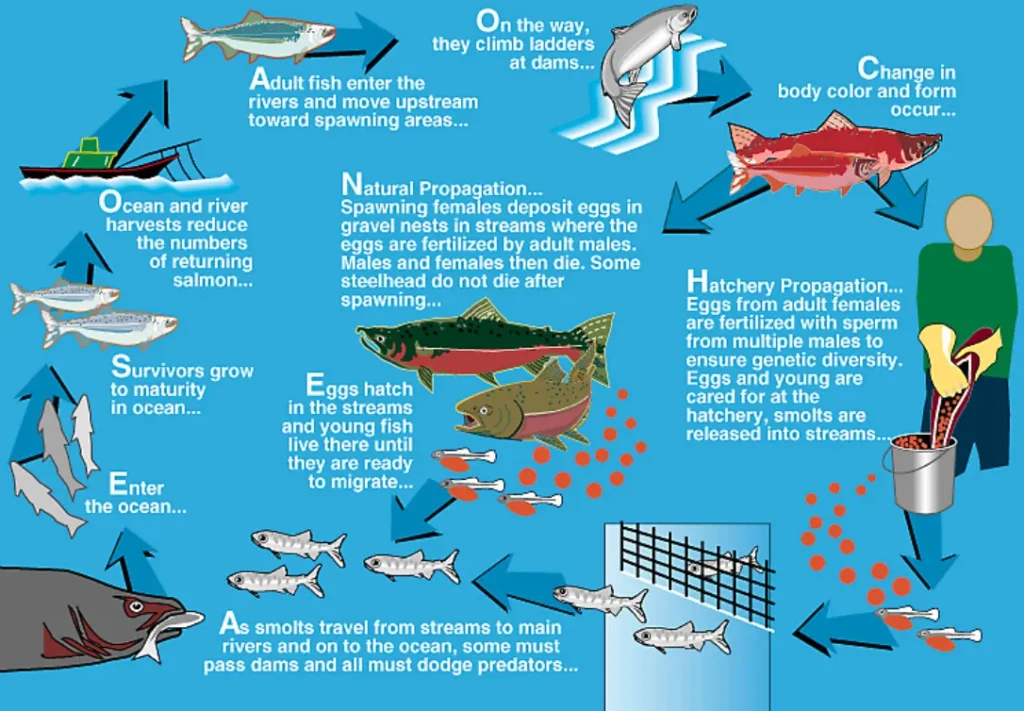
However, the life cycle of salmon should be understood before focusing solely on salmon as food. A salmon fillet begins with a living fish that depends on clean rivers, healthy oceans, and safe migration routes. When people understand the life cycle, they can make better choices about seafood, habitat protection, and sustainable fishing.
A simple salmon recipe or baked salmon recipe may focus on taste, but responsible eating also considers where the fish came from. Some salmon are wild-caught, while others are farm-raised. Both can appear in markets, but their environmental impact, feeding system, and management practices can differ.
For home cooks, baked and air-fried salmon are popular because they are quick, mild, and easy to prepare. Still, from an ecological view, the most important point is responsible sourcing. Choosing salmon from well-managed fisheries or responsible farms helps reduce pressure on vulnerable wild populations.
So, whether someone is reading about the life cycle of salmon or searching for salmon recipes, the bigger lesson is the same: salmon are valuable, and their future depends on clean water, careful harvest, and respect for nature.
How Long Does A Salmon Live
The lifespan of salmon depends on species, habitat, food availability, water temperature, predators, and whether the fish is wild or farm-raised. There is no single lifespan for all salmon, as Atlantic and Pacific salmon follow different life strategies.
- Most salmon live between 2 and 7 years. Some species mature quickly, while others take longer to grow before returning to spawn.
- Pink salmon usually have one of the shortest life cycles. They often complete their life cycle in about two years.
- Sockeye salmon commonly live around 3 to 7 years, depending on population and environment.
- Chinook salmon, the largest Pacific salmon, may live longer than many other salmon species and often spend several years growing before spawning.
- Atlantic salmon often live around 4 to 6 years, although some individuals may live longer under favorable conditions.
- Pacific salmon usually die after spawning. This is part of their natural life strategy. They put nearly all remaining energy into reproduction.
- Atlantic salmon can sometimes survive spawning. These repeat spawners are not always common, but the ability exists.
- Freshwater conditions strongly affect survival. Eggs and young salmon need clean gravel, cold water, enough oxygen, and safe hiding places.
- Ocean conditions also matter. Food supply, water temperature, predators, and a changing climate can influence the number of salmon that return as adults.
- Human-made barriers can shorten life expectancy. Dams, blocked culverts, pollution, overharvest, and habitat damage can prevent salmon from completing their cycle.
A salmon’s life is not just about age. It is about completing a difficult journey from river to ocean and back again. Only a small percentage of eggs survive to become spawning adults, which makes each successful return important for the next generation.
Salmon Lifespan in the Wild vs. in Captivity
Lifespan in the Wild
In the wild, salmon face many natural risks. Eggs may be eaten, buried by sediment, or damaged by poor water conditions. Birds, larger fish, and mammals may eat fry and parr. Smolts face danger as they move through estuaries and enter the ocean.
Wild salmon that survive these stages may live several years before returning to spawn. Their lifespans vary widely by species. Some complete the cycle quickly, while others spend more time feeding in the ocean.
Lifespan in Captivity
In captivity, salmon are usually raised for aquaculture, research, or conservation programs. They may be protected from many wild predators and may receive controlled feeding. This can improve growth and reduce some survival risks.
However, captivity has its own challenges. Disease management, water quality, crowding, genetics, and environmental control are important. Farmed salmon are usually harvested before reaching their maximum natural age, so production goals often shape their practical lifespan.
Main Difference
Wild salmon live inside a complex natural cycle. Captive salmon live under human management. The wild cycle is riskier, but it supports rivers, forests, wildlife, and ocean food webs in a way captivity cannot fully replace.
Importance of Salmon In This Ecosystem
Salmon Move Nutrients from Ocean to Land
Salmon are sometimes called a bridge between the ocean and the forest. When adult salmon return from the ocean, their bodies carry marine nutrients into freshwater systems. After spawning, dead salmon feed insects, birds, mammals, microbes, and even streamside plants.
Salmon Support Wildlife
Many animals depend on salmon. Bears, eagles, otters, seals, sea lions, wolves, birds, and larger fish may feed on salmon at different stages. Young salmon are also part of the freshwater food chain, while adult salmon are important prey in marine ecosystems.
Salmon Help River Health
Spawning salmon disturb gravel beds as they dig redds. This natural movement can help clean and shift streambed material. Their bodies also add nutrients that support aquatic insects, which later become food for young fish.
Salmon Support Human Communities
Salmon are important to many Indigenous cultures, fishing communities, local economies, and food systems. Their migration seasons have shaped traditions, diets, and livelihoods for generations.
Salmon Are Environmental Indicators
Healthy salmon runs often signal healthy rivers. When salmon populations decline, it can reveal deeper problems such as warming water, pollution, blocked migration routes, or damaged habitat.
What To Do To Protect Them In Nature And Save The System For The Future
1. Protect Cold, Clean Freshwater
- Keep rivers, streams, and wetlands clean.
- Reduce pollution from farms, roads, cities, and industries.
- Maintain streamside plants that provide shade and keep water cool.
2. Remove or Improve Migration Barriers
- Salmon must move between freshwater and the ocean.
- Dams, poorly designed culverts, and blocked channels can stop migration.
- Fish ladders, barrier removal, and better water passage can help.
3. Restore Spawning Habitat
- Salmon need loose, oxygen-rich gravel for eggs.
- Habitat restoration can include adding natural wood, improving stream flow, and reducing sediment.
- Healthy spawning areas increase egg survival.
4. Support Sustainable Fishing and Seafood Choices
- Overharvest can reduce the number of adults returning to spawn.
- Well-managed fisheries protect future salmon runs.
- Consumers can choose salmon from responsible sources.
5. Reduce Climate Pressure
- Warmer water can stress salmon at every stage.
- Protecting forests, wetlands, and natural river flow helps build climate resilience.
- Long-term conservation must include both local habitat work and wider climate action.
Fun & Interesting Facts About Salmon
- Salmon can remember their birthplace. Many return to the same river or stream where they hatched.
- They can live in both freshwater and saltwater. Their bodies change during the smolt stage so they can survive in the ocean.
- Salmon are strong jumpers. Some can leap over rocks, rapids, and small waterfalls during migration.
- Not all salmon look the same. Their color, shape, and markings can change dramatically during spawning season.
- Chinook salmon are often the largest Pacific salmon. They are also called king salmon in many places.
- Sockeye salmon may turn bright red during spawning. This makes them one of the most visually striking salmon species.
- Alevins carry their own food. Newly hatched salmon survive on a yolk sac before they begin hunting.
- Salmon feed forests. Nutrients from salmon bodies can enter soil and support streamside vegetation.
- Pacific salmon usually complete their life cycle by spawning once. This one-time reproductive strategy makes their final migration extremely important.
- Salmon are both predators and prey. They eat smaller organisms but also feed many larger animals.
Frequently Asked Questions (FAQs)
Q: What are the main stages in the life cycle of salmon?
A: The main stages are egg, alevin, fry/parr, smolt, adult salmon, and spawning adult. For simple learning, these can be grouped into four major phases: egg/alevin, juvenile freshwater growth, ocean adult growth, and spawning return.
Q: Why do salmon return to freshwater?
A: Salmon return to freshwater because their eggs need clean gravel, oxygen-rich water, and suitable stream conditions to develop. Returning to natal waters helps continue the next generation.
Q: What do salmon eat?
A: Young salmon eat insects, larvae, plankton, and tiny crustaceans. Adult salmon may eat small fish, shrimp, squid, krill, and other marine prey.
Q: How long does a salmon live?
A: Many salmon live around 2 to 7 years, depending on species and environment. Atlantic salmon live for several years and may spawn more than once.
Q: Why are salmon important to the ecosystem?
A: Salmon move nutrients from the ocean to rivers and forests. They feed wildlife, support people, improve food webs, and act as indicators of river health.
Final Word
The life cycle of salmon is one of nature’s most powerful survival stories. From a tiny egg hidden in freshwater gravel to a strong adult returning from the ocean, every stage shows how deeply salmon are connected to rivers, forests, wildlife, and people.
Understanding salmon is not only about biology. It is about clean water, healthy migration routes, responsible seafood choices, and long-term ecosystem balance. When salmon populations are strong, many other living systems benefit too.
Whether someone searches for salmon, wants to learn about their migration, or looks for a healthy salmon recipe, the bigger picture remains important. Salmon are more than food. They are living links between freshwater and ocean life.
Protecting salmon means protecting the natural systems that support them. If rivers stay clean, migration routes stay open, and habitats stay healthy, future generations can continue to witness the remarkable journey of salmon.
Also Read: life cycle of a turtle
About the Author