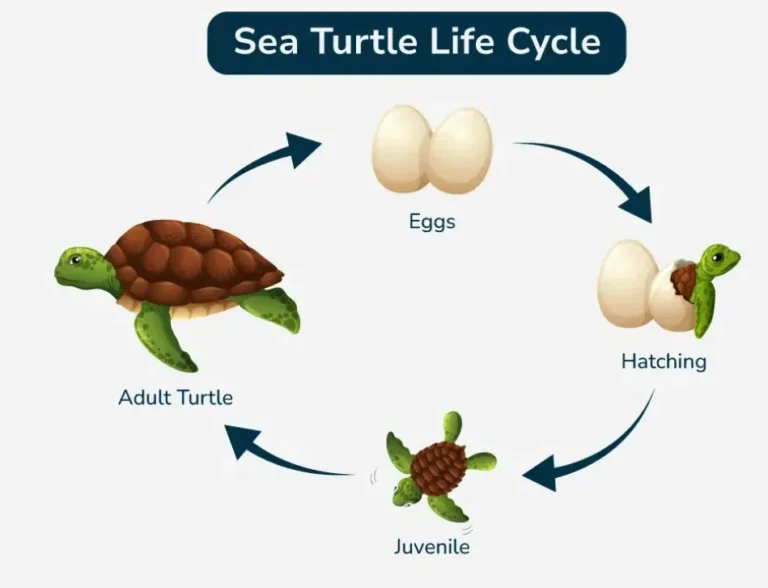
The life cycle of a turtle is one of the most fascinating journeys in the reptile world. A turtle begins life inside an egg, breaks out as a tiny hatchling, grows through a vulnerable juvenile stage, and eventually becomes an adult capable of reproducing.
Turtles belong to the reptilian order Testudines, also known as Chelonia. They are known for their hard shell, slow growth, long lifespan, and strong survival instincts. Unlike mammals, turtles do not give birth to live young. They lay eggs on land, even when the adult turtle spends most of its life in water.
The word “turtle” can refer to many related animals, including freshwater turtles, marine turtles, terrapins, and tortoises. A sea turtle may travel thousands of miles across oceans, while a box turtle may spend most of its life in a small home range on land. A snapping turtle or alligator snapping turtle usually lives in freshwater habitats such as rivers, lakes, swamps, and canals.
The life cycle of a turtle is shaped by temperature, habitat, predators, food supply, and human activity. Many species grow slowly and reproduce late, which makes them sensitive to habitat loss, illegal collection, pollution, fishing gear, road traffic, and climate change.
Q: What are the main stages in the life cycle of a turtle?
A: The four main stages are egg, hatchling, juvenile, and adult. Each stage has different risks, behaviors, and survival needs.
Q: Do turtles give birth to live babies?
A: No. Turtles are oviparous, meaning they lay eggs. The female digs a nest, lays eggs, covers them, and usually leaves the eggs to develop without parental care.
Q: How long does it take for turtle eggs to hatch?
A: It depends on the species and temperature. Many turtle eggs hatch in about 45 to 100 days, while some species may take longer in cooler conditions.
Quick Life Cycle Table
| Life Stage | What Happens | Typical Time | Main Risk |
| Egg | Females lay eggs in soil or sand. Embryos develop inside. | 45–100+ days | Flooding, predators, heat |
| Hatchling | A baby turtle breaks its shell and moves toward water or cover. | First days to weeks | Birds, fish, crabs, raccoons |
| Juvenile | Young turtle grows, learns to find food, and avoids predators. | Months to years | Starvation, pollution, and road danger |
| Adult | Mature turtles feed, migrate or range, mate, and lay eggs. | Years to decades | Habitat loss, fishing gear, harvest |
Important Things That You Need To Know
The keyword life cycle of a turtle is broad because not every turtle lives the same way. A freshwater turtle has a very different daily life from a sea turtle, but their basic reproductive pattern is similar: mating, nesting, eggs, hatchlings, juveniles, and adults.
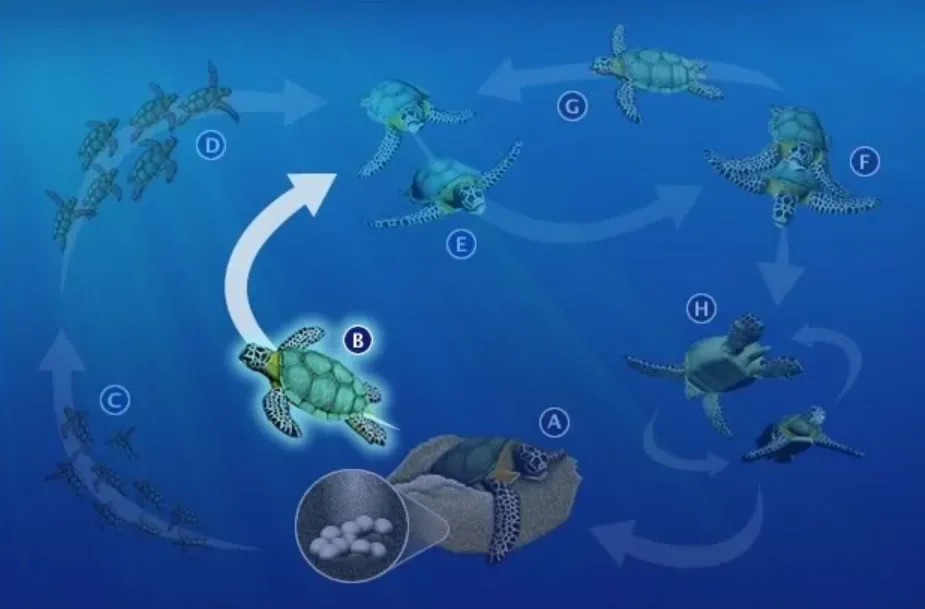
A sea turtle spends nearly all its life in the ocean, but females must return to sandy beaches to nest. After hatching, young sea turtles move toward the sea and spend their early years hiding, drifting, feeding, and growing. Many never survive to adulthood because the hatchling stage is extremely dangerous.
A snapping turtle lives in freshwater and is usually more defensive on land than in water. It eats fish, invertebrates, carrion, amphibians, plants, and other available food. Its powerful jaws and muddy-water camouflage make it an effective ambush feeder.
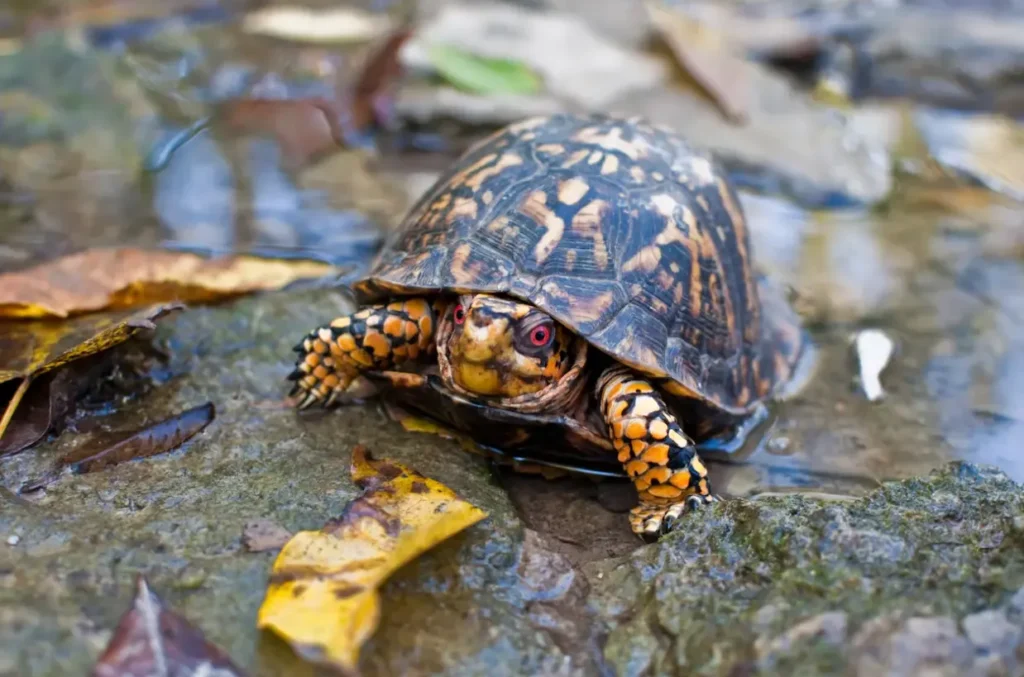
A box turtle is more land-based. It often lives in woodlands, grasslands, and damp areas where it can find insects, worms, fruits, mushrooms, and leafy plants. Many box turtles remain within a limited home range for much of their lives.
The alligator snapping turtle is one of the largest freshwater turtles in North America. It uses a worm-like lure on its tongue to attract fish and other prey. Its life cycle is slow, with delayed maturity and relatively low reproductive output compared with many small animals.
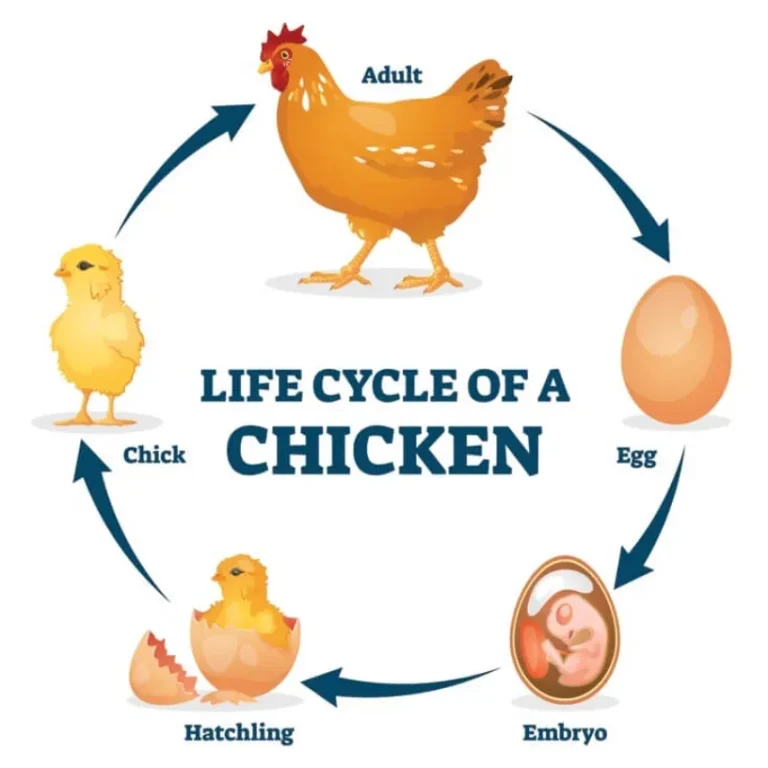
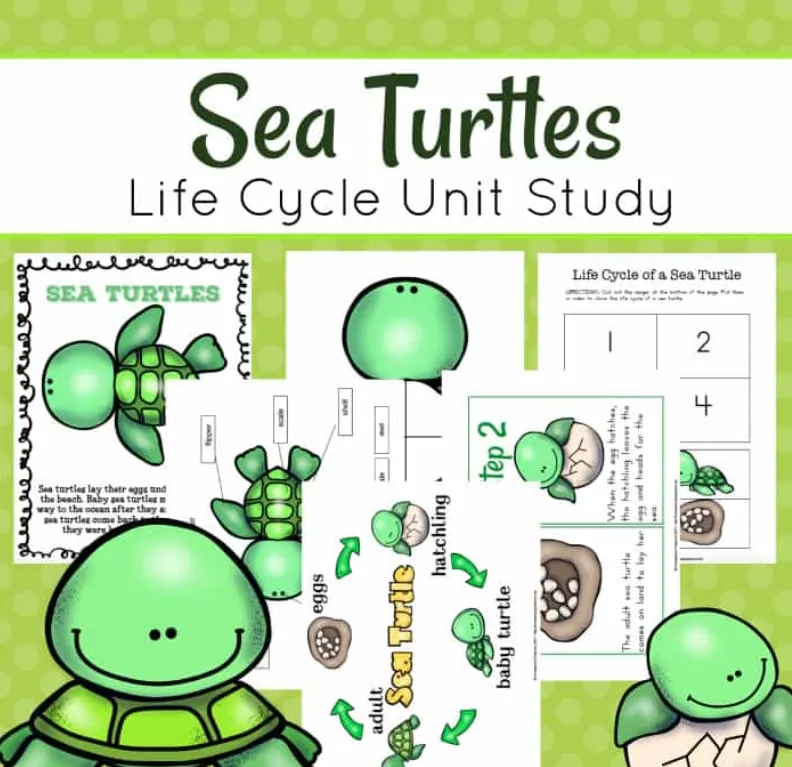
For educational content, a turtle drawing can clearly illustrate the life cycle. A simple diagram showing eggs, hatchlings, juveniles, and adults makes the topic easier for students, parents, and nature learners.
The History Of Their Scientific Naming, Evolution, and Their Origin
Scientific Naming of Turtles
Turtles are classified under the order Testudines, also commonly called Chelonia. The term Chelonia is linked to the Greek word for tortoise, while Testudines comes from Latin roots used historically for shelled reptiles.
Modern turtle naming uses a two-part scientific system: genus and species. For example, the common snapping turtle is Chelydra serpentina, while the alligator snapping turtle is Macrochelys temminckii.
Evolution of the Turtle Shell
The turtle shell is not a removable cover. It is part of the skeleton, connected to the ribs and spine. This makes turtles different from nearly every other vertebrate.
Early turtle relatives had broadened ribs and partial shell-like structures before the full shell appeared. Fossils show that the turtle’s body design developed gradually over millions of years.
Origin of Turtles
Turtles are ancient reptiles with deep evolutionary roots. Fossil evidence shows turtle-like animals existed more than 200 million years ago. Early forms such as Eunotosaurus, Pappochelys, and Odontochelys help scientists understand how the shell, plastron, and carapace evolved.
Today, turtles live in oceans, rivers, wetlands, forests, grasslands, and deserts. Their long evolutionary history proves that their body plan is highly successful, but modern threats now challenge their survival.
Their Reproductive Process, Giving Birth And Rising Their Children
Mating and Fertilization
Turtle reproduction begins when a mature male and female mate. Mating may occur in water or on land, depending on the species. Sea turtles mate offshore, while many freshwater turtles mate in ponds, rivers, or wetlands.
Fertilization is internal. In some species, females can store sperm for months or even years, allowing them to lay fertile eggs after mating.
Nesting and Egg Laying
Turtles do not give live birth. A female lays eggs in a nest that she digs with her hind legs. Nest sites are usually sandy, soft, or loose enough for digging.
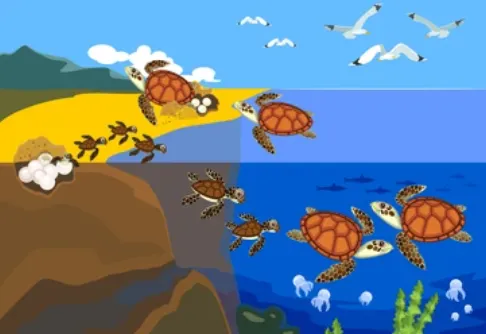
A sea turtle crawls onto a beach, digs a nest above the high-tide line, lays eggs, covers the nest, and returns to the ocean. A box turtle may dig in sandy soil or loose Earth. A snapping turtle often travels away from water to find a suitable nesting site.
Incubation and Temperature
Eggs develop inside the nest. Temperature is extremely important. In many turtle species, incubation temperature helps determine whether hatchlings become male or female.
Cooler nests often produce more males, while warmer nests often produce more females. Extreme heat can reduce hatching success, underscoring the importance of climate change.
Raising Their Young
Most turtles do not raise their babies. After laying and covering the eggs, the mother leaves. The hatchlings must dig out, find water or shelter, avoid predators, and locate food by instinct.
This lack of parental care is balanced by laying multiple eggs. However, survival is still low, especially for sea turtles and many freshwater species.
Stages of the Turtle Life Cycle
1. Egg Stage
The egg stage is the beginning of the turtle’s life cycle. Female turtles lay eggs in nests on land, even when they are aquatic species. The eggs are usually soft-shelled or leathery rather than hard like bird eggs.
During incubation, the embryo develops inside the egg. The nest must stay warm, moist, and safe from predators. Too much water can drown the embryos, while extreme dryness or heat can kill them.
Predators such as raccoons, foxes, birds, ants, crabs, and snakes often attack turtle nests. For many species, the egg stage is among the most dangerous stages of life.
2. Hatchling Stage
When development is complete, the baby turtle uses a small egg tooth to break the shell. Hatchlings may emerge together, especially in sea turtles, which helps overwhelm predators.
A hatchling sea turtle moves toward the ocean by following natural light and slope cues. Artificial lights from buildings can confuse hatchlings and lead them away from the sea.
Freshwater hatchlings usually head toward ponds, marshes, streams, or thick cover. At this stage, the shell is small and soft, making the hatchling easy prey.
3. Juvenile Stage
The juvenile stage is a period of growth. Young turtles feed actively and spend much of their time hiding. Their diet may change as they grow.
Juvenile sea turtles may live in floating seaweed zones, open ocean areas, or coastal habitats, depending on the species. Juvenile freshwater turtles often stay in shallow water with vegetation.
This stage can last many years. Turtles grow slowly, and many species do not mature until they are several years or even decades old.
4. Adult Stage
The adult stage begins when the turtle becomes sexually mature. Adult turtles focus on feeding, surviving, mating, and reproducing.
Adult females return to suitable nesting areas to lay eggs. Some sea turtles migrate long distances between feeding grounds and nesting beaches. Freshwater turtles may travel over land to find nesting sites, new ponds, or mates.
Adults usually have fewer natural predators than hatchlings, but humans pose major risks through roads, habitat loss, fishing gear, pollution, illegal harvest, and pressure from the pet trade.
Their Main Diet, Food Sources, And Collection Process Explained
Turtle diets vary widely by species, habitat, age, and season. Some turtles are mainly herbivores, some are carnivores, and many are omnivores.
Plant-Based Foods
Many turtles eat aquatic plants, grasses, algae, leaves, flowers, fruit, berries, and mushrooms. Adult green sea turtles are famous for grazing on seagrass and algae, helping maintain healthy marine vegetation.
Box turtles often eat berries, fallen fruit, leafy plants, fungi, and tender vegetation. Their diet changes with what is available in their habitat.
Animal-Based Foods
Carnivorous and omnivorous turtles eat insects, worms, snails, crayfish, fish, frogs, tadpoles, mollusks, jellyfish, sponges, carrion, and small aquatic animals.
A snapping turtle may eat carrion, fish, amphibians, invertebrates, birds, small mammals, and aquatic plants. An alligator snapping turtle uses ambush hunting and a tongue lure to attract prey.
How Turtles Collect Food
Turtles do not collect food as mammals do; they store supplies. They forage, graze, hunt, scavenge, or ambush prey.
Sea turtles may travel across feeding grounds to find jellyfish, sponges, seagrass, crabs, or mollusks. Freshwater turtles use smell, sight, vibration, and movement to locate food. Land turtles search slowly through leaf litter, soil, grass, and fallen vegetation.
Diet Changes with Age
Many young turtles eat more protein because they need energy for growth. As they mature, some species shift toward a greater reliance on plant material. This is common among several pond and sea turtle species.
A healthy turtle diet in nature depends on clean water, diverse plants, safe nesting areas, and balanced prey populations.
How Long Does A Turtle Live
Turtles are known for long lifespans, but there is no single lifespan for all turtles. A small freshwater turtle, a sea turtle, a box turtle, and a giant tortoise can live very different lengths of time.
Lifespan depends on species, genetics, food, temperature, predators, disease, pollution, injury, and human protection.
- Small freshwater turtles may live 20–40 years if conditions are favorable.
- Common snapping turtles are often estimated to live around 30 years in the wild, though some individuals may live longer under safe conditions.
- Box turtles can live for several decades. Many individuals may reach 40–50 years, and some may exceed that with good habitat and low road risk.
- Sea turtles are long-lived animals. Many estimates place their natural lifespan at 50–100 years, though exact ages are difficult to measure because they spend most of their livestheir lives at sea.
- Loggerhead turtles are often estimated to live 70 years or more. They take years to mature and remain part of the breeding population for a long time.
- Alligator snapping turtles can live for many decades. Captive records show very old individuals, and wild lifespan may be long, although the exact maximum age is difficult to confirm.
- Giant tortoises are among the longest-lived reptiles on Earth and may live more than 100 years.
- Captive turtles may live longer than wild turtles when they receive proper care, clean water, a correct diet, veterinary treatment, and protection from predators.
- Captivity can also shorten life if care is poor. Wrong temperature, poor diet, dirty tanks, stress, lack of UVB light, and improper housing can cause disease.
- Wild turtles face natural and human-made risks, including nest predators, vehicle strikes, fishing hooks, boat strikes, plastic pollution, wetland drainage, beach lighting, and illegal collection.
The most important point is that turtles are slow-moving animals. They grow slowly, mature late, and rely on adult survival. When too many adults are removed from a population, recovery can take many years.
Turtle Lifespan in the Wild vs. in Captivity
Lifespan in the Wild
In the wild, turtles live in natural ecosystems with real food sources, seasonal cycles, sunlight, nesting grounds, and social spacing. A healthy wild turtle can live for decades.
However, wild turtles also face predators, storms, droughts, disease, habitat destruction, traffic, pollution, fishing gear, and climate change. Eggs and hatchlings have the lowest survival rates.
A sea turtle hatchling may face predators on the beach and in the water. Fish, birds, snakes, raccoons, or larger turtles may eat a freshwater hatchling. Adults survive better, but they are still vulnerable to human activity.
Lifespan in Captivity
Captive turtles can live long lives when their care is scientifically correct. Clean water, suitable basking space, proper temperature, adequate lighting, a balanced diet, and veterinary care are essential.
Captivity removes many predators, but it creates new risks. Poor diet, small tanks, dirty water, lack of UVB light, and stress can lead to shell disease, respiratory illness, weak bones, and early death.
Which Is Better?
A well-protected natural habitat is usually best for wild turtle populations. Captivity should not replace conservation. It is most useful for rescue, rehabilitation, research, education, and carefully managed breeding programs.
Importance of the Turtle In This Ecosystem
Turtles Support Food Webs
Turtles are part of many food chains. Eggs and hatchlings are preyed upon by birds, raccoons, fish, crabs, foxes, snakes, and insects. Adults may feed on plants, animals, and carrion, helping balance populations.
A turtle is both predator and prey during different stages of life. This is important for energy transfer through ecosystems.
Turtles Help Clean Habitats
Many freshwater turtles eat dead fish, carrion, and decaying material. This scavenging behavior helps remove waste and recycle nutrients in ponds, rivers, wetlands, and swamps.
Snapping turtles are especially important as opportunistic feeders. They help reduce dead organic matter while also feeding on live prey.
Sea Turtles Maintain Marine Habitats
Green sea turtles graze on seagrass, which helps keep seagrass beds productive. Healthy seagrass beds provide shelter and nursery habitat for fish, crabs, mollusks, and many other marine species.
Hawksbill sea turtles eat sponges on coral reefs, which may help maintain space for coral growth. Leatherbacks feed heavily on jellyfish, helping influence jellyfish populations.
Turtles Move Nutrients
When turtles travel between water and land, they move nutrients across habitats. Eggs, shells, waste, and nesting activity all contribute to nutrient cycling.
A healthy turtle population usually signals a healthier ecosystem. When turtles decline, it often means wetlands, beaches, forests, or coastal waters are also under pressure.
What To Do To Protect Them In Nature And Save The System For The Future
Protect Nesting Areas
- Keep nesting beaches, riverbanks, and sandy soils undisturbed.
- Do not dig up turtle nests or handle eggs.
- Remove beach furniture, trash, and obstacles at night during nesting season.
- Fill holes and flatten sandcastles before leaving the beach.
Reduce Light Pollution
- Turn off unnecessary lights near nesting beaches.
- Use turtle-friendly lighting where coastal lighting is required.
- Close curtains facing the beach during nesting season.
- Avoid flash photography around nesting turtles and hatchlings.
Drive Carefully Near Wetlands
- Slow down on roads near ponds, rivers, marshes, and nesting areas.
- Watch for turtles crossing roads, especially during nesting season.
- Help only when safe, moving a turtle in the direction it was already going.
- Never pick up a snapping turtle by the tail.
Keep Water and Land Clean
- Reduce plastic waste, fishing line, and chemical runoff.
- Dispose of hooks, nets, and trash properly.
- Avoid releasing balloons because they can enter waterways.
- Support wetland restoration and clean shoreline projects.
Never Take Wild Turtles as Pets
- Wild turtles belong in their ecosystems.
- Removing adults can damage local populations.
- Released pet turtles may spread disease or become invasive.
- Adopt captive-bred or rescued turtles only if you can meet their long-term care needs.
Fun & Interesting Facts About Turtle
- Turtles cannot leave their shells because the shell is part of the skeleton.
- All turtles lay eggs, even species that spend most of their lives in water.
- Temperature can influence sex in many turtle species, with nest temperature affecting whether hatchlings develop as males or females.
- Sea turtles can migrate long distances between feeding grounds and nesting beaches.
- Hatchlings often emerge together, which helps reduce the chance that any one baby will be eaten.
- A turtle life-cycle drawing usually shows eggs, hatchlings, juveniles, and adults in a circular pattern.
- Box turtles can close their shells tightly, giving them extra protection from predators.
- Snapping turtles are calmer in water than on land because water is their normal escape zone.
- Alligator snapping turtles use a natural lure on the tongue to attract fish.
- Some turtles live longer than many mammals, especially when they avoid predators and human threats.
- Sea turtle hatchlings use natural light cues to move toward the ocean.
- Many turtles grow slowly, which means adult survival is very important for population recovery.
Frequently Asked Questions (FAQs)
Q: What is the life cycle of a turtle?
A: The life cycle of a turtle includes four main stages: egg, hatchling, juvenile, and adult. The turtle begins inside an egg, hatches, grows through an early stage, reaches maturity, mates, and reproduces.
Q: How many eggs does a turtle lay?
A: Egg number depends on the species. Some box turtles may lay only a few eggs, while sea turtles may lay around 100 eggs in a nest. Snapping turtles can lay large clutches, and alligator snapping turtles may lay dozens of eggs.
Q: Do baby turtles stay with their mother?
A: Usually, no. Most turtle mothers leave after laying and covering the eggs. Hatchlings must survive on their own from the moment they emerge.
Q: What do baby turtles eat?
A: Baby turtles often eat small insects, larvae, worms, tiny aquatic animals, algae, soft plants, or other available food. Diet depends on the species and habitat.
Q: Why are turtles important to the environment?
A: Turtles help ecosystems by grazing plants, eating carrion, controlling some prey populations, supporting predators as eggs and hatchlings, and moving nutrients between land and water.
Final Word
The life cycle of a turtle is a slow, delicate, and powerful journey from egg to adult. Every stage has a purpose, but every stage also faces danger. Eggs must survive predators and weather. Hatchlings must escape quickly. Juveniles must grow while staying hidden. Adults must find food, mates, and safe nesting areas.
Turtles have survived for millions of years because of their strong shells, patient growth, flexible diets, and remarkable instincts. Yet today, many turtle populations are under pressure from pollution, habitat loss, roads, fishing gear, climate change, and illegal collection.
Protecting turtles means protecting beaches, wetlands, rivers, forests, seagrass beds, and clean water. Whether it is a sea turtle, snapping turtle, box turtle, or alligator snapping turtle, every turtle plays a role in nature. When we protect turtles, we also protect the ecosystems that support countless other living things.
Also Read: life cycle of a angiosperm
About the Author